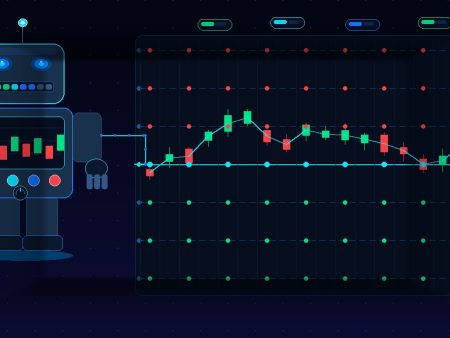
The science of backtesting separates strong trading robots from weak ones, proving real consistency over luck.


The science of backtesting separates strong trading robots from weak ones, proving real consistency over luck.

In algorithmic trading, backtesting is often hailed as the scientific method for evaluating trading strategies. It’s the process that allows traders and developers to separate good robots, those built on sound logic and consistent performance, from bad ones that are simply lucky or overfit to historical data. But backtesting isn’t just about running code on old charts; it’s about understanding how and why your trading robot performs under different market conditions.
Let’s dive into the science behind backtesting and explore what truly separates a robust trading algorithm from one that’s destined to fail.
Backtesting is the process of applying a trading strategy or algorithm to historical market data to see how it would have performed in the past. The goal is to simulate real trading conditions as closely as possible, using accurate price data, realistic spreads, slippage assumptions, and position sizing.
A well-executed backtest can help answer crucial questions:
If done correctly, backtesting offers statistical evidence that your strategy has merit before risking real capital.
One of the biggest mistakes in backtesting is curve fitting — when a strategy is over-optimized to perform well on past data but fails miserably in live trading. This happens when traders tweak parameters endlessly until the results look perfect, creating a robot that’s essentially “memorized” the past rather than learning from it.
Signs of a curve-fitted robot include:
A truly robust robot should perform reasonably well across multiple assets, timeframes, and datasets — not just one cherry-picked period.
When analyzing backtest results, focus on metrics that reveal consistency and risk management:
A strong trading robot doesn’t just make money — it manages risk intelligently.
Even the best backtest isn’t complete until you forward test your robot in real or demo conditions. This step reveals how well the algorithm performs with live market data, latency, and broker conditions. If a strategy performs similarly in both backtesting and forward testing, it’s likely based on genuine edge rather than overfitting.
Backtesting is both an art and a science. It requires rigorous data analysis, sound statistical reasoning, and emotional discipline to resist tweaking results for perfection. The goal isn’t to find a flawless robot, it’s to build one that’s consistent, resilient, and profitable under realistic conditions.
In short:
Good robots are validated by science. Bad robots are flattered by hindsight.
If you treat backtesting as a scientific process rather than a search for perfect numbers, you’ll separate true performers from impostors, and gain the confidence to deploy algorithms that stand the test of time.
Also, check out the Reviews we have prepared for you!