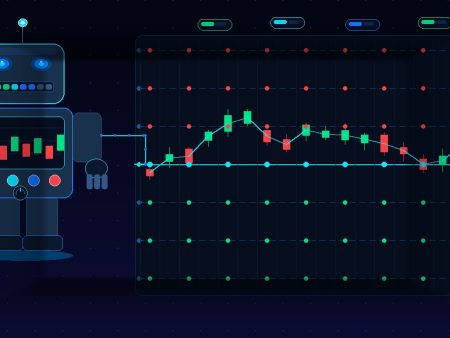
Learn how to evaluate Forex robot signals effectively to maximize profits, manage risk, and trade confidently with automation.


Learn how to evaluate Forex robot signals effectively to maximize profits, manage risk, and trade confidently with automation.

Learn how to evaluate Forex robot signals effectively to maximize profits, manage risk, and trade confidently with automation.
Forex trading robots have become increasingly popular among traders who want to automate their strategies and reduce emotional decision-making. These robots generate trading signals based on algorithms, technical indicators, and predefined rules. However, not all forex robot signals are reliable or profitable. Knowing how to evaluate them properly is essential before risking real capital.
This guide will walk you through the key factors to consider when assessing forex robot signals.
Before trusting any signals, you should understand the logic behind the robot. Ask questions such as:
Transparent robots that clearly explain their strategy are generally more trustworthy than “black box” systems that reveal nothing about their methodology.
Past performance doesn’t guarantee future results, but it does provide useful insight. When reviewing performance data, look for:
Be cautious of robots showing unrealistically high returns with minimal drawdowns, as these results may be over-optimized or manipulated.
A good forex robot prioritizes capital protection. Evaluate how the signals manage risk by checking:
Signals that lack stop-losses or use excessive leverage can quickly wipe out an account, even if the win rate appears high.
Never rely solely on advertised results. Use a demo account to:
Demo testing helps confirm whether the robot behaves as expected and whether its signals align with your trading goals.
A high win rate alone doesn’t mean a robot is profitable. A better evaluation considers:
Some robots win frequently but suffer large losses when trades go wrong. Balanced risk-to-reward metrics are often more sustainable.
Forex markets change constantly. Evaluate whether the robot:
Rigid robots may fail when market dynamics shift, while adaptable systems tend to be more resilient.
Look beyond the vendor’s website. Check:
Consistent complaints about signal delays, losses, or poor support are red flags. Balanced reviews that mention both strengths and weaknesses are more credible.
Even after choosing a forex robot, continuous monitoring is essential. Markets evolve, brokers change conditions, and software can malfunction. Regularly review:
If performance degrades, be prepared to pause or stop using the robot.
Evaluating forex robot signals requires more than just looking at profit claims. By understanding the strategy, verifying performance, assessing risk management, and testing signals yourself, you can make more informed decisions and reduce unnecessary risk.
Automation can be a powerful trading tool—but only when combined with careful evaluation, realistic expectations, and ongoing oversight.
Also, check out the Reviews we have prepared for you!