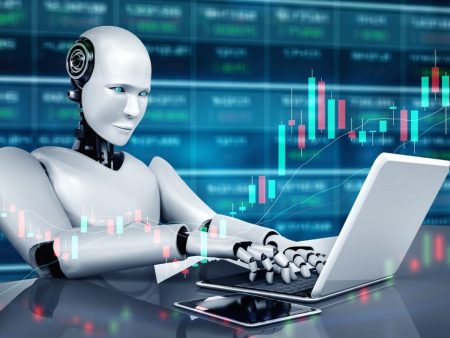
AI is making Forex robots smarter through adaptive learning, real-time analysis, and advanced risk management for better trading decisions.


AI is making Forex robots smarter through adaptive learning, real-time analysis, and advanced risk management for better trading decisions.

AI is making Forex robots smarter through adaptive learning, real-time analysis, and advanced risk management for better trading decisions. In Forex trading, automation has long been a game-changer. Forex robots, automated software systems designed to buy or sell currency pairs, have helped traders execute strategies without the need for manual input. But as markets grow more complex and competitive, a key question arises: Can artificial intelligence (AI) make Forex robots smarter?
The answer is a cautious but confident yes provided that we understand the limits and the realities behind the hype.
Forex robots are software programs that use predefined rules to enter and exit trades. Traditional robots rely on technical indicators like moving averages, Relative Strength Index (RSI), and Bollinger Bands. These rules are static and unchanging unless manually modified by the user.
While effective in certain market conditions, traditional robots often fail during volatile periods or unexpected market events. They lack the adaptability and contextual awareness to respond to changing dynamics.
Artificial intelligence, especially machine learning (ML), can significantly improve how Forex robots operate. Here’s how:
AI-powered robots can analyze vast datasets of historical and real-time market data. Machine learning algorithms can identify patterns and evolve over time. Instead of sticking to fixed rules, AI models can adapt strategies based on new data essentially learning from market behavior.
AI can detect complex, non-linear patterns that are invisible to rule-based systems. For example, it can correlate economic indicators, news sentiment, and price action in ways traditional EAs cannot.
Using NLP, AI robots can interpret financial news, social media, and economic reports to adjust trading strategies. If major news suggests a shift in monetary policy, an AI system might preemptively alter its positions.
Advanced AI systems can assess risk in real time and adjust trade sizes or stop-loss levels dynamically. They can also learn from past drawdowns and avoid repeating mistakes that led to losses.
Several platforms and financial institutions are already using AI-enhanced trading tools:
Despite its promise, AI in Forex trading comes with important caveats:
Regulators are beginning to scrutinize algorithmic and AI trading tools. Any AI-based Forex robot must comply with financial regulations regarding transparency, fairness, and risk disclosure. Traders should be cautious about “black box” systems that promise guaranteed profits; there’s no such thing as a risk-free robot.
Yes, AI can make Forex robots smarter but not magical. AI adds adaptability, intelligence, and complexity to automated trading systems, but it also introduces new challenges and risks. The best approach is a hybrid one: using AI as a tool within a well-defined trading framework, combined with human oversight and continuous evaluation.
For retail traders and professionals alike, understanding how AI works not just using it blindly is the real edge in modern Forex markets.
Also, check out the Reviews we have prepared for you!