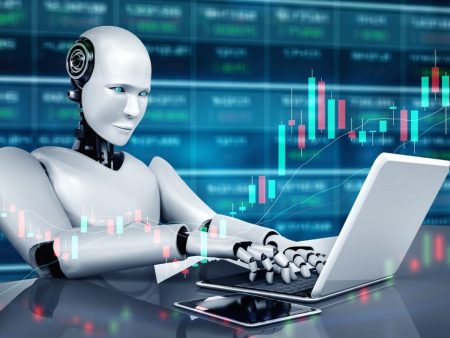
Understanding Forex Robots Logic and Algorithms

Learn how Forex robots operate, the algorithms behind them, and strategies for consistent automated trading success.

Home » Understanding Forex Robots Logic and Algorithms

Discover how Forex robots use logic and algorithms to automate trading, manage risk, and improve market decisions. In currency trading, automation has become a key player in achieving consistent results. Forex robots, automated trading systems that operate without human intervention, are increasingly popular among traders of all experience levels. But to truly benefit from them, understanding the logic and algorithms behind these robots is essential.

Understanding Forex Robots Logic and Algorithms

A Forex robot is software designed to analyze the Forex market and execute trades automatically based on predefined rules. Unlike human traders, robots operate 24/7, can process vast amounts of data instantly, and are immune to emotional trading mistakes such as fear or greed.

However, the efficiency of a Forex robot depends entirely on the logic and algorithms it uses. Without a well-designed strategy, even the fastest, most advanced robot can lead to losses.

How Forex Robots Work: The Logic Behind the Automation

At the heart of every Forex robot is a logical framework that defines when and how to trade. This framework is typically based on:

  1. Technical Indicators
    Most Forex robots rely on technical analysis, using indicators like Moving Averages, Relative Strength Index (RSI), or Bollinger Bands to detect market trends and signals. For example, a simple robot might buy when the 50-day moving average crosses above the 200-day moving average—a classic “golden cross” signal.
  2. Price Action Rules
    Some advanced robots analyze candlestick patterns, support/resistance levels, and chart formations to predict market movements. These systems mimic the decision-making of human traders but execute trades faster and more consistently.
  3. Risk Management Logic
    Good Forex robots include algorithms for controlling risk, such as stop-loss and take-profit orders, lot sizing based on account equity, and avoiding overexposure in volatile market conditions.
  4. Market Filters and Conditions
    Robots often have built-in filters to avoid trading in unpredictable conditions. For instance, a robot may be programmed to avoid trading during high-impact news events or low liquidity periods.

Algorithms: The Engine of Forex Robots

Algorithms are the step-by-step procedures that enable a Forex robot to make decisions. These can range from simple if-then rules to complex mathematical models. Common algorithm types include:

  • Trend-following Algorithms – Detect and follow market trends. These robots perform well in trending markets but may struggle in sideways or choppy markets.
  • Counter-trend Algorithms – Trade against prevailing trends to exploit reversals. These require precise timing and often higher risk tolerance.
  • Scalping Algorithms – Execute numerous small trades to profit from minor price movements. Speed and low latency are critical for success.
  • Machine Learning Algorithms – Advanced robots can incorporate AI to learn from past trades, adapt to market changes, and optimize strategies over time.

Evaluating Forex Robot Performance

When assessing a Forex robot, traders should consider:

  • Backtesting Results: Simulations using historical data to evaluate potential profitability.
  • Forward Testing: Running the robot on live market data with a demo account to confirm its effectiveness.
  • Drawdown and Risk Metrics: Measures of potential losses and exposure to ensure the robot aligns with your risk tolerance.
  • Consistency and Adaptability: The ability to perform across different market conditions without constant manual intervention.

The Bottom Line

Understanding Forex robot logic and algorithms is crucial for making informed decisions in automated trading. While these systems can save time and reduce emotional bias, they are not magic solutions. A well-designed robot integrates market analysis, risk management, and adaptive algorithms to create a disciplined trading approach.

By learning how these robots think and operate, traders can choose or customize systems that align with their goals, ultimately increasing the likelihood of long-term success in Forex trading.

Also, take a look at the Reviews we have prepared for you!

Leave a Reply

Your email address will not be published. Required fields are marked *

Advertise with us

Robot Reviews

Purchase Forex Scalping EA Now!
Purchase Happy Gold Now!
67% Discount Code: FOREXROBOTSREVIEWS