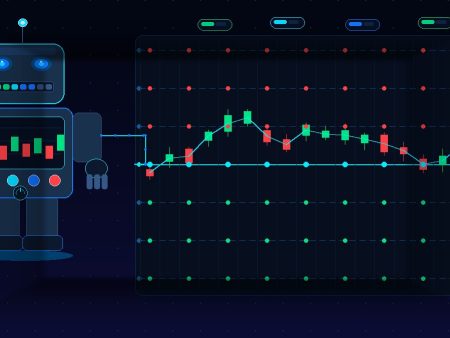
VPS latency can affect forex robot order execution. Learn how server location, connectivity, and hosting reliability influence automated trading.


VPS latency can affect forex robot order execution. Learn how server location, connectivity, and hosting reliability influence automated trading.

Forex robot execution depends on VPS latency, server location, and broker connectivity, so understand these factors before choosing hosting.
Forex robots allow traders to automate entries, exits, and other trading decisions according to predefined rules. However, a robot’s strategy is only one part of the trading process. The speed and reliability of the connection between the trading platform and the broker can also affect how orders reach the market. Therefore, traders who use Expert Advisors (EAs) should understand how Virtual Private Server (VPS) hosting and network latency influence execution.
A VPS runs a trading platform on a remote server, allowing an EA to operate without keeping a personal computer switched on continuously. Nevertheless, using a VPS does not automatically improve trading results. Its value depends on factors such as server location, network stability, hardware resources, and the execution requirements of the robot.
VPS latency refers to the time data takes to travel between the trading server and the relevant network destination. Traders commonly measure network latency in milliseconds. Lower latency generally means faster communication, although it does not guarantee faster order fills under every market condition.
For example, a forex robot may identify a trading opportunity and send an order through MetaTrader. The platform then communicates with the broker’s trading infrastructure. Network delays can affect this process, particularly when the robot follows a strategy that relies on short-lived price movements.
However, traders should distinguish network latency from total execution time. The broker’s order processing, market liquidity, available prices, and market volatility can also influence the final result. Consequently, a low-latency connection cannot eliminate slippage or guarantee execution at the requested price.
Scalping robots attempt to capture relatively small price movements, often opening and closing positions within short periods. Because these strategies may depend on narrow profit targets, execution costs and delays can have a noticeable effect on their performance.
For instance, a delay between a trading signal and order submission may cause a robot to enter at a less favourable price. Furthermore, spreads and commissions can reduce the remaining profit potential. Traders should therefore evaluate latency alongside transaction costs rather than assuming that faster hosting alone will make a scalping strategy profitable.
Forex prices change continuously during active market sessions. As a result, the price available when an EA generates a signal may differ from the price available when the broker processes its order.
This difference can produce slippage, which occurs when an order executes at a different price from the requested one. Slippage can be positive or negative, depending on market conditions and the direction of the price movement.
Although lower network latency may reduce one potential source of delay, it cannot prevent every instance of slippage. During major economic announcements or periods of limited liquidity, prices can move rapidly regardless of the VPS connection.
Latency is not the only factor traders should consider. Connection stability also matters because an EA needs reliable communication with the trading platform and broker.
For example, repeated network interruptions may prevent a platform from sending new orders promptly or receiving updates about existing positions. Depending on the platform and the robot’s design, these interruptions may disrupt normal operation.
Therefore, traders should examine connection uptime, server reliability, and recovery procedures before choosing a hosting provider. They should also understand what happens to open positions if their VPS disconnects.
Selecting suitable hosting requires more than comparing advertised processing speeds. Instead, traders should evaluate the following factors.
Server location: Choose a server with a reliable network route to your broker’s trading infrastructure. Physical proximity can help reduce latency, but routing quality and the broker’s infrastructure also matter.
Network performance: Check measured latency, connection consistency, and packet loss. Test the connection during the hours when your EA normally trades, since network performance can vary.
Server resources: Confirm that the VPS provides enough CPU, RAM, and storage for your trading platform and the number of EAs you plan to run. Insufficient resources can cause slowdowns even when network latency is low.
Uptime and recovery: Review the provider’s uptime commitments, maintenance practices, and support arrangements. Also, determine whether the server restarts trading applications automatically after an unexpected interruption.
Security: Use strong passwords, enable available security protections, and keep the operating system and trading software updated. In addition, restrict remote access to trusted devices and users.
Before committing funds to a live account, measure how the hosting environment performs under realistic conditions. First, record the latency reported by your trading platform when connected to your broker. Next, monitor connection stability during the robot’s normal trading hours.
After that, run the EA on a demo account and observe its order submissions, execution prices, disconnections, and platform logs. Compare these observations with the results from your existing setup, if available. Where possible, keep other variables consistent so you can identify meaningful differences.
Moreover, assess the robot’s strategy requirements before paying for premium hosting. A longer-term trading system may not benefit significantly from a small reduction in network latency, whereas a latency-sensitive strategy may require closer monitoring. In either case, testing actual performance is more useful than relying solely on a provider’s marketing claims.
VPS hosting can help traders maintain continuous access to automated trading platforms and may improve network communication when configured appropriately. However, its effect depends on the trading strategy, broker infrastructure, server resources, and overall connection quality.
Before choosing a provider, compare latency, reliability, security, and resource availability. Then test the setup on a demo account and review execution records under different market conditions. Most importantly, remember that faster communication does not correct a weak trading strategy or remove financial risk.
A suitable VPS should support the way your forex robot operates rather than serve as a promise of better returns. By evaluating hosting performance alongside execution costs and risk management, traders can make a more informed decision about their automated trading environment.
Also, take a look at the Reviews we have prepared for you!